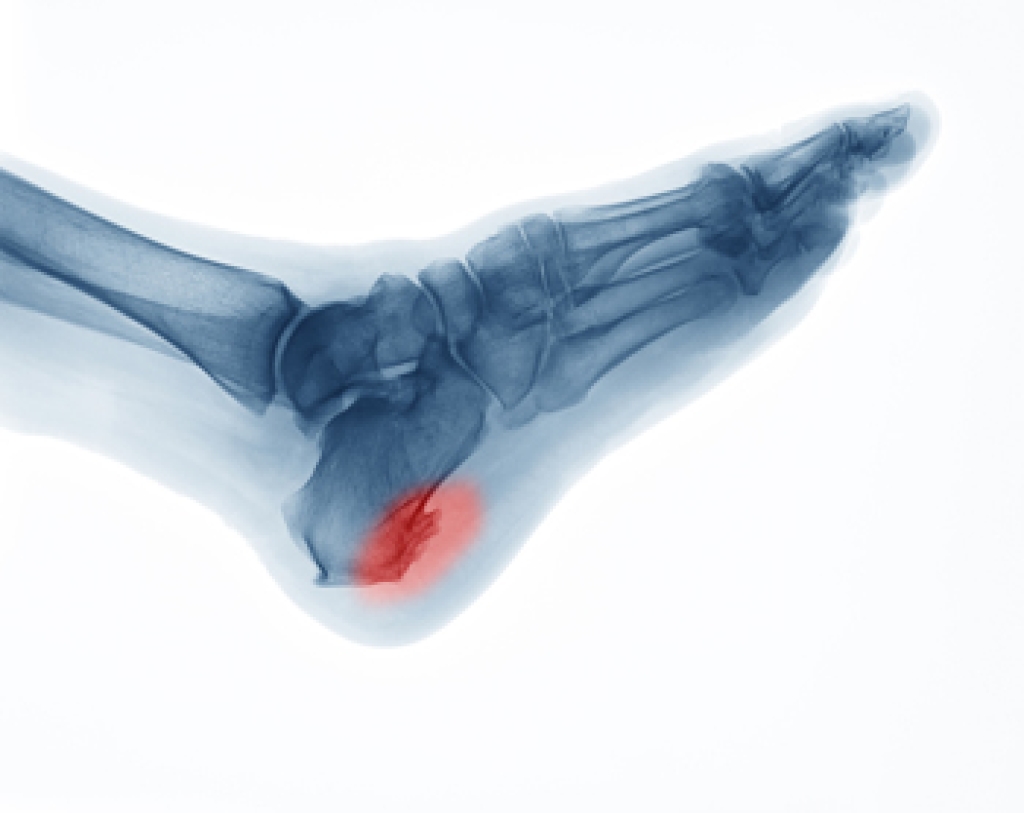
Self-Care for Heel Spurs

Heel spurs are bony bumps that can form on the underside of your heel bone. They are usually painless, but can become painful if the tissue around the heel swells. Pain typically worsens with activity. There are several things that you can do at home to address heel spur pain. First, you should rest your injured foot so that it can heal. Keep weight and pressure off the affected foot if possible, and apply ice to the injury to reduce swelling. Stretch your legs and feet before getting out of bed to loosen the muscles and tendons in your feet. Wearing properly fitting shoes or orthotic inserts can also help to cushion and support your feet, and you may wish to also take over-the-counter medications to reduce pain. If your heel pain doesn’t improve or worsens, it is strongly suggested that you seek the care of a podiatrist for a proper examination.

Heel spurs can be incredibly painful and sometimes may make you unable to participate in physical activities. To get medical care for your heel spurs, contact Daniel Bell, DPM from Florida. Our doctor will do everything possible to treat your condition.

Heels Spurs

Heel spurs are formed by calcium deposits on the back of the foot where the heel is. This can also be caused by small fragments of bone breaking off one section of the foot, attaching onto the back of the foot. Heel spurs can also be bone growth on the back of the foot and may grow in the direction of the arch of the foot.

Older individuals usually suffer from heel spurs and pain sometimes intensifies with age. One of the main condition's spurs are related to is plantar fasciitis.

Pain

The pain associated with spurs is often because of weight placed on the feet. When someone is walking, their entire weight is concentrated on the feet. Bone spurs then have the tendency to affect other bones and tissues around the foot. As the pain continues, the feet will become tender and sensitive over time.

Treatments

There are many ways to treat heel spurs. If one is suffering from heel spurs in conjunction with pain, there are several methods for healing. Medication, surgery, and herbal care are some options.

If you have any questions, please feel free to contact our office located in Pembroke Pines and Plantation, FL . We offer the newest diagnostic and treatment technologies for all your foot care needs.
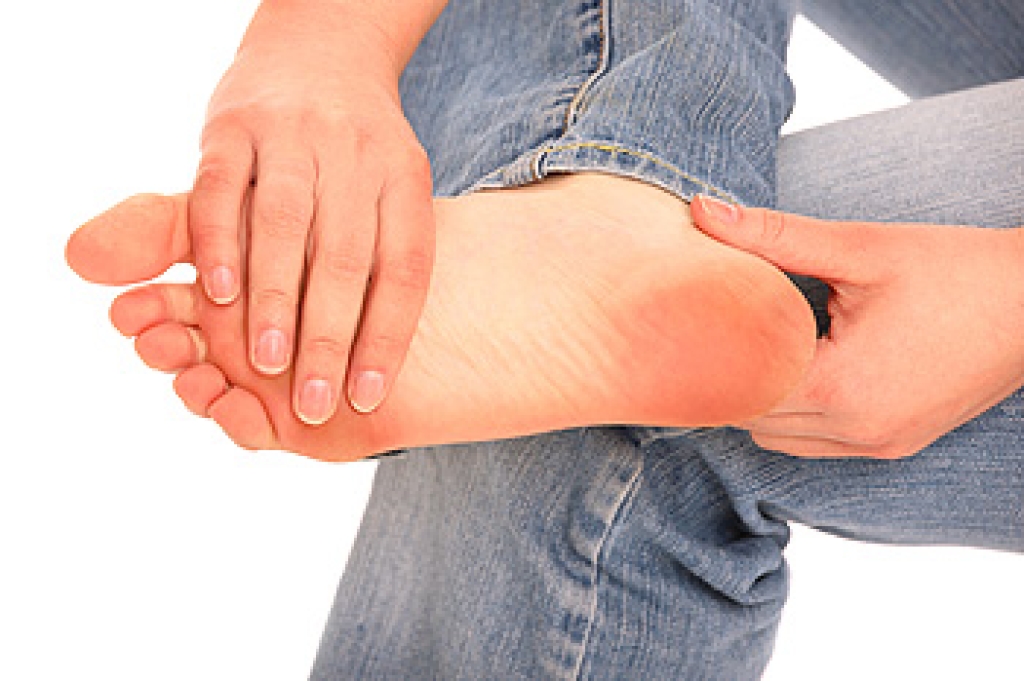

Read more about Heel Spurs

Why Do My Arches Hurt?

There are many conditions that might be causing pain in your arches. Plantar fasciitis, which is a painful inflammation of the plantar fascia tissue on the sole of the feet, can cause pain in the heel area, as well as in the arch. Muscle spasms and intense pain in the ankle can be caused by foot cramps due to dehydration, poor circulation or nerve damage. When the tibial nerve becomes compressed in the tarsal tunnel, it can result in numbness anywhere along the nerve, as well as pain in the bottom of the foot/ankle. Small nodules can form in the plantar fascia tissue due to injuries or other factors which may cause pain in the arch when pressure is applied to it. There is a strong cord of tissue that runs from the calf muscle down to the inside of the foot which supports the ankle during walking (posterior tibial tendon). When this tendon becomes overused, injured, or degenerated, there may be pain in the arch and ankle. While flat feet may be asymptomatic, this condition may sometimes produce arch pain and foot fatigue. These, along with other causes of arch pain can be properly diagnosed and treated with the professional care of a podiatrist.

Foot Pain

Foot pain can be extremely painful and debilitating. If you have a foot pain, consult with Daniel Bell, DPM from Florida. Our doctor will assess your condition and provide you with quality foot and ankle treatment.

Causes

Foot pain is a very broad condition that could be caused by one or more ailments. The most common include:

  • Bunions
  • Hammertoes
  • Plantar Fasciitis
  • Bone Spurs
  • Corns
  • Tarsal Tunnel Syndrome
  • Ingrown Toenails
  • Arthritis (such as Gout, Rheumatoid, and Osteoarthritis)
  • Flat Feet
  • Injury (from stress fractures, broken toe, foot, ankle, Achilles tendon ruptures, and sprains)
  • And more

Diagnosis

To figure out the cause of foot pain, podiatrists utilize several different methods. This can range from simple visual inspections and sensation tests to X-rays and MRI scans. Prior medical history, family medical history, and any recent physical traumatic events will all be taken into consideration for a proper diagnosis.

Treatment

Treatment depends upon the cause of the foot pain. Whether it is resting, staying off the foot, or having surgery; podiatrists have a number of treatment options available for foot pain.

If you have any questions, please feel free to contact our office located in Pembroke Pines and Plantation, FL . We offer the newest diagnostic and treatment technologies for all your foot care needs.
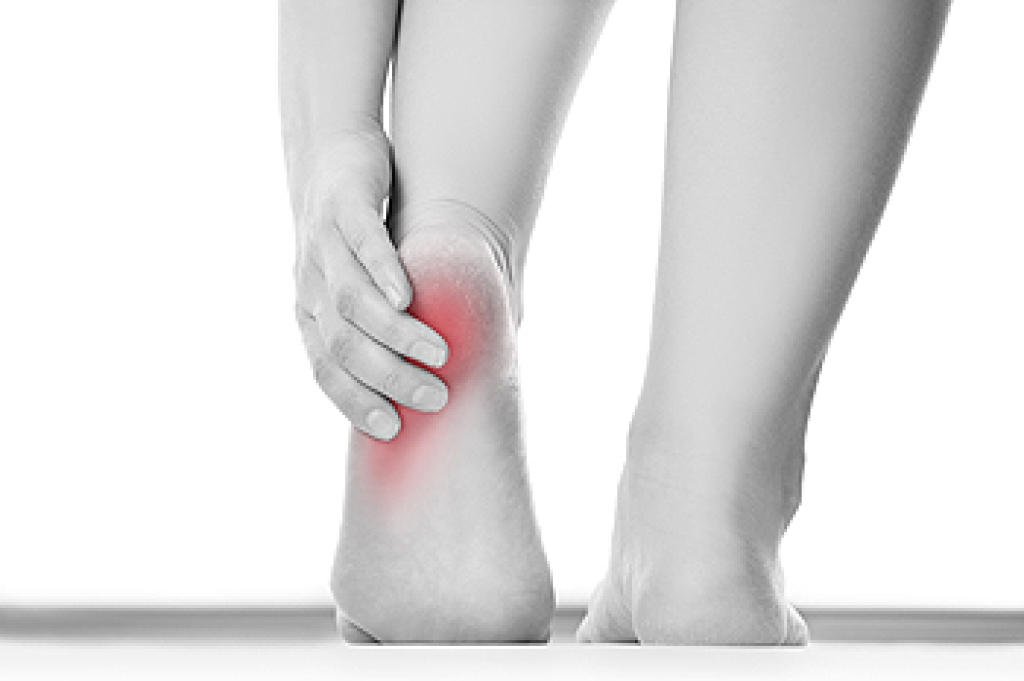
Read more about Foot Pain

Heel Pain in the Morning?

Heel pain can negatively affect your day-to-day life. Simple activities like walking can become incredibly uncomfortable or painful due to heel pain.

Don’t live with heel pain and get treated.

Various Causes of Heel Pain

Podiatrists treat many types of disorders that cause pain in various parts of the heel. The most common heel pain is caused by plantar fasciitis (inflammation of the plantar fascia tissue), which causes pain on the bottom of the foot. Other common sources of heel pain include a calcaneal (heel bone) fracture, heel pad syndrome (a wearing down of the cushion on the bottom of the heel), nerve entrapment, including tarsal tunnel syndrome (which can also cause tingling, numbness or burning), neuromas (nerve swelling), and Achilles tendinopathy (damage to the tendon that attaches to the heel bone). Growing children may also be prone to Sever’s disease, which is irritation in the growth plate of the heel. If you have heel pain, it is suggested that you see a podiatrist. They will typically begin their evaluation by asking where the pain is located in the heel, along with medical history questions, followed by a physical examination. They may also use various diagnostic tools to determine the underlying cause of your heel pain and how best to treat it.

Many people suffer from bouts of heel pain. For more information, contact Daniel Bell, DPM of Florida. Our doctor can provide the care you need to keep you pain-free and on your feet.

Causes of Heel Pain

Heel pain is often associated with plantar fasciitis. The plantar fascia is a band of tissues that extends along the bottom of the foot. A rip or tear in this ligament can cause inflammation of the tissue.

Achilles tendonitis is another cause of heel pain. Inflammation of the Achilles tendon will cause pain from fractures and muscle tearing. Lack of flexibility is also another symptom.

Heel spurs are another cause of pain. When the tissues of the plantar fascia undergo a great deal of stress, it can lead to ligament separation from the heel bone, causing heel spurs.

Why Might Heel Pain Occur?

  • Wearing ill-fitting shoes                
  • Wearing non-supportive shoes
  • Weight change           
  • Excessive running

Treatments

Heel pain should be treated as soon as possible for immediate results. Keeping your feet in a stress-free environment will help. If you suffer from Achilles tendonitis or plantar fasciitis, applying ice will reduce the swelling. Stretching before an exercise like running will help the muscles. Using all these tips will help make heel pain a condition of the past.

If you have any questions, please feel free to contact our office located in Pembroke Pines and Plantation, FL . We offer the newest diagnostic and treatment technologies for all your foot care needs.
Read more about Heel Pain

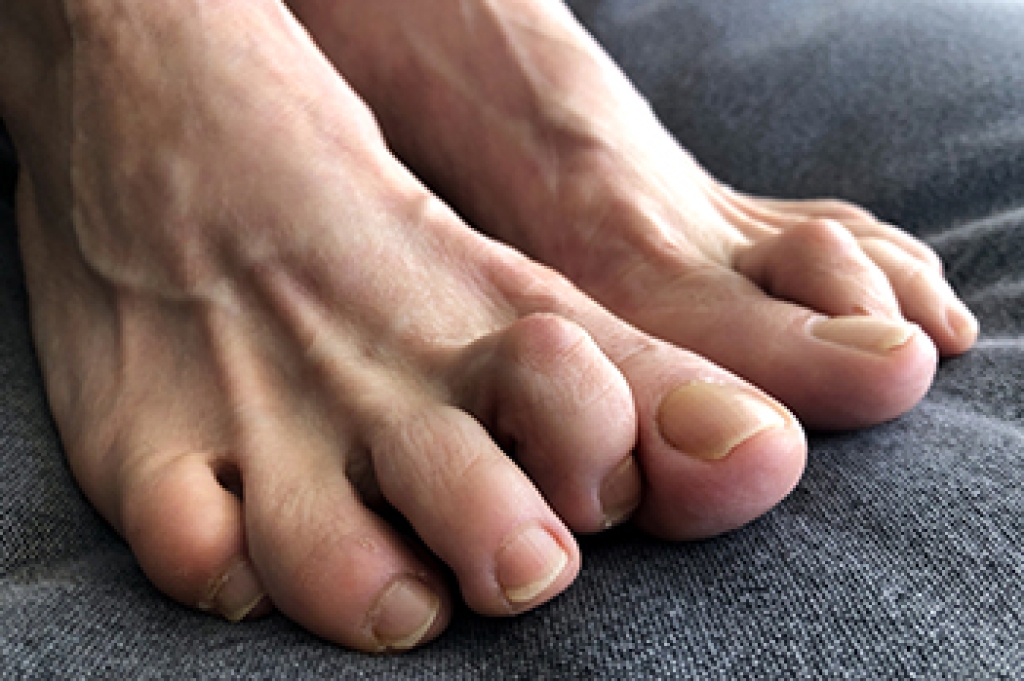
Signs and Symptoms of Claw Toes

If trying on shoes isn’t as much fun as it used to be, it may be caused by the development of hammertoes, also known as claw toes. This condition is recognizable by an unsightly bump on the knuckle of the toe, which can rub against the top of your shoe and cause pain. Claw toes can also affect the tip of the toe as it curls under and rubs against the sole of your shoe. They can cause the ball of the foot to become painful, a feeling sometimes described as walking on marbles. Claw toes can be caused by a muscle imbalance, where the long muscles in the leg overpower the smaller foot muscles. Other causes include injury to a tendon, tight calf muscles, and family history. The four lesser toes often develop claw toes, with the second toe the most likely to be affected. Home treatments include wearing shoes with a wider and deeper toe box to relieve rubbing, toe spacers and hammertoe splints, and soft padding to cushion the affected toes. However, if these measures fail to reduce your pain and discomfort, it is suggested that you contact a podiatrist to determine a more advanced course of treatment. 

Hammertoe

Hammertoes can be a painful condition to live with. For more information, contact Daniel Bell, DPM from Florida. Our doctor will answer any of your foot- and ankle-related questions.

Hammertoe is a foot deformity that affects the joints of the second, third, fourth, or fifth toes of your feet. It is a painful foot condition in which these toes curl and arch up, which can often lead to pain when wearing footwear.

Symptoms

  • Pain in the affected toes
  • Development of corns or calluses due to friction
  • Inflammation
  • Redness
  • Contracture of the toes

Causes

Genetics – People who are genetically predisposed to hammertoe are often more susceptible

Arthritis – Because arthritis affects the joints in your toes, further deformities stemming from arthritis can occur

Trauma – Direct trauma to the toes could potentially lead to hammertoe

Ill-fitting shoes – Undue pressure on the front of the toes from ill-fitting shoes can potentially lead to the development of hammertoe

Treatment

Orthotics – Custom made inserts can be used to help relieve pressure placed on the toes and therefore relieve some of the pain associated with it

Medications – Oral medications such as anti-inflammatories or NSAIDs could be used to treat the pain and inflammation hammertoes causes. Injections of corticosteroids are also sometimes used

Surgery – In more severe cases where the hammertoes have become more rigid, foot surgery is a potential option

If you have any questions please contact our office located in Pembroke Pines and Plantation, FL . We offer the newest diagnostic and treatment technologies for all your foot and ankle needs.

Read more about What Are Hammertoes?

Connect With Us