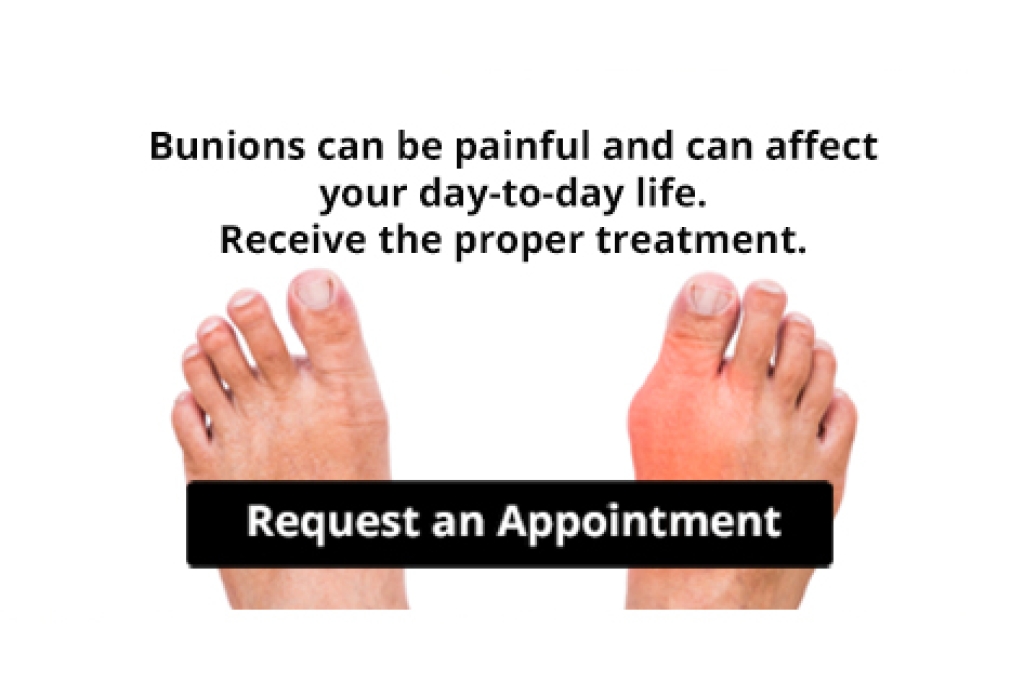
Have you noticed a bony protrusion on the side of your big toe? If so, you may have developed the foot condition known as a bunion. Don't let bunions interfere with your daily activities.
Have you noticed a bony protrusion on the side of your big toe? If so, you may have developed the foot condition known as a bunion. Don't let bunions interfere with your daily activities.
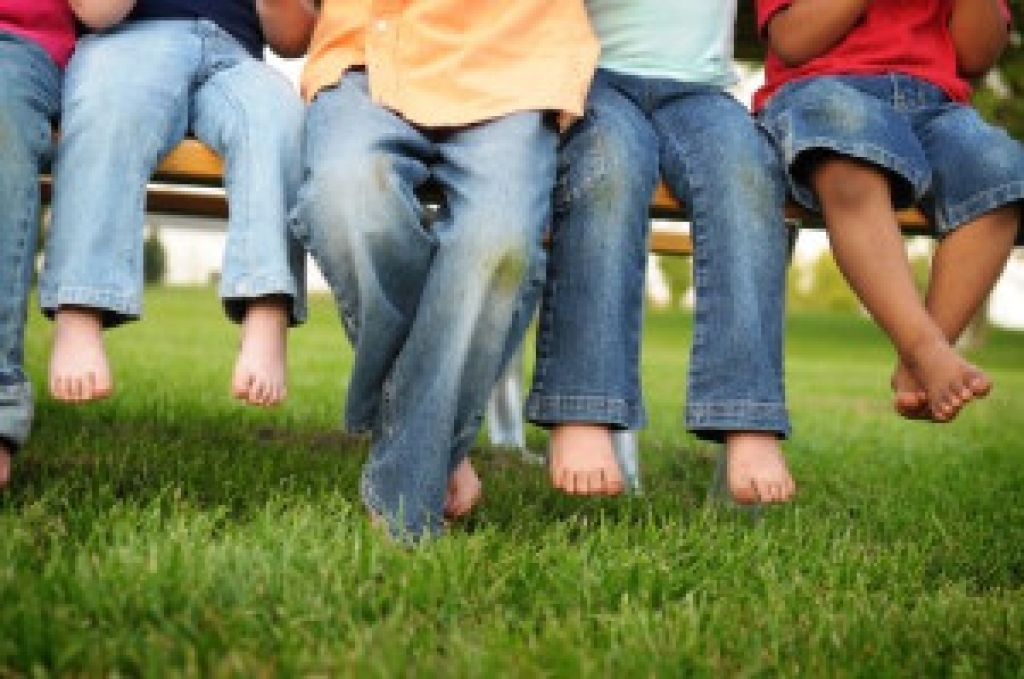 It is essential for young children to be barefoot when they first learn to walk, in order to allow their muscles to develop properly. The bones in a baby’s foot aren’t fully developed until they are around 5 years old, and tend to be very soft up until that point. To ensure toddler shoes fit properly and support healthy foot development, check length, width, flexibility, and heel grip. There should be about a thumb’s width of space at the front for growth, and the sides should fit snugly without pinching while allowing toe movement. Choose shoes with soft, flexible soles that bend easily to encourage natural movement. Lastly, make sure the heel fits securely without slipping or feeling overly tight, which helps prevent blisters and provides stability. If your child is just learning to walk, it is suggested that you make an appointment with a podiatrist for guidance on proper footwear.
Making sure that your children maintain good foot health is very important as they grow. If you have any questions, contact Daniel Bell, DPM of Florida. Our doctor can provide the care you need to keep you pain-free and on your feet.
Keeping Children's Feet Healthy
Having healthy feet during childhood can help prevent medical problems later in life, namely in the back and legs. As children grow, their feet require different types of care. Here are some things to consider...
Although babies do not walk yet, it is still very important to take care of their feet.
Avoid putting tight shoes or socks on his or her feet.
Allow the baby to stretch and kick his or her feet to feel comfortable.
As a toddler, kids are now on the move and begin to develop differently. At this age, toddlers are getting a feel for walking, so don’t be alarmed if your toddler is unsteady or ‘walks funny’.
As your child gets older, it is important to teach them how to take care of their feet.
Show them proper hygiene to prevent infections such as fungus.
Be watchful for any pain or injury.
Have all injuries checked by a doctor as soon as possible.
Comfortable, protective shoes should always be worn, especially at play.
If you have any questions, please feel free to contact our office located in Pembroke Pines and Plantation, FL . We offer the newest diagnostic and treatment technologies for all your foot care needs.

Good balance depends on the ability of the feet and ankles to sense position and react quickly to changes in surface or movement. This awareness, called proprioception, helps the body maintain stability and avoid falls. When proprioception is weakened by aging, foot injuries, or conditions that reduce nerve sensitivity, people are more likely to lose their balance and become at risk for falling. Balance exercises that strengthen the feet and ankles can improve coordination and control by retraining the small muscles and nerves that help the body adapt to uneven ground. A podiatrist can assess gait, range of motion, and nerve response to determine how balance training can improve foot function and prevent future injury. If you have sustained a foot injury from falling because of balance issues, it is suggested that you schedule an appointment with a podiatrist who can treat various foot injuries, and suggest specific balance exercises.
Preventing falls among the elderly is very important. If you are older and have fallen or fear that you are prone to falling, consult with Daniel Bell, DPM from Florida. Our doctor will assess your condition and provide you with quality advice and care.
Every 11 seconds, an elderly American is being treated in an emergency room for a fall related injury. Falls are the leading cause of head and hip injuries for those 65 and older. Due to decreases in strength, balance, senses, and lack of awareness, elderly persons are very susceptible to falling. Thankfully, there are a number of things older persons can do to prevent falls.
How to Prevent Falls
Some effective methods that older persons can do to prevent falls include:
Falling can be a traumatic and embarrassing experience for elderly persons; this can make them less willing to leave the house, and less willing to talk to someone about their fears of falling. Doing such things, however, will increase the likelihood of tripping or losing one’s balance. Knowing the causes of falling and how to prevent them is the best way to mitigate the risk of serious injury.
If you have any questions, please feel free to contact our office located in Pembroke Pines and Plantation, FL . We offer the newest diagnostic and treatment technologies for all your foot care needs.
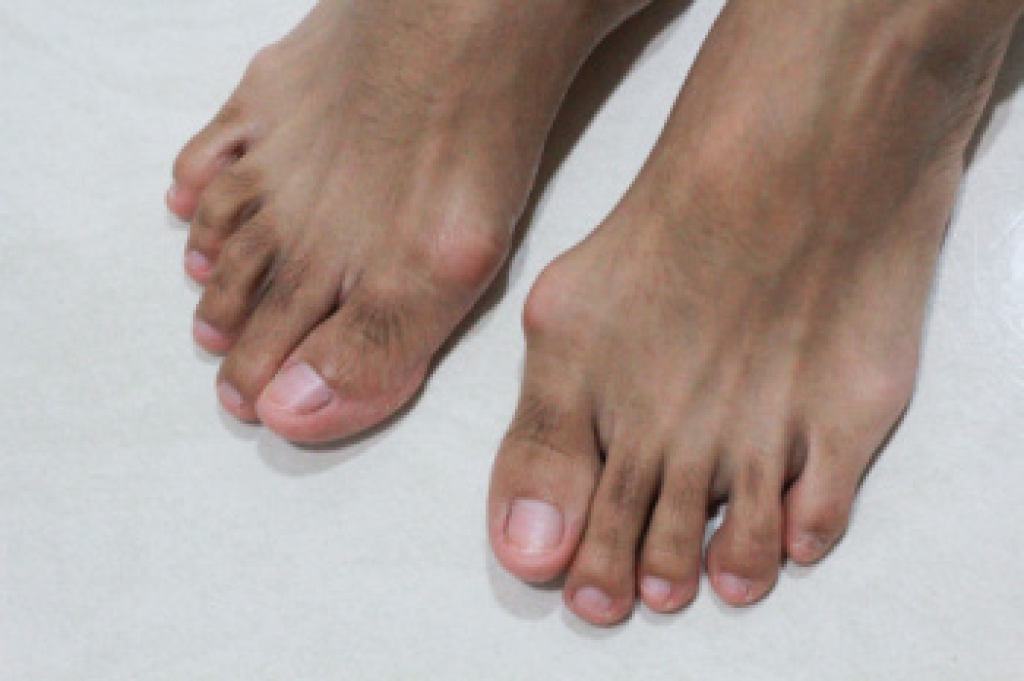
Choosing the right shoes plays an important role in easing bunion pain. A bunion develops when the top of the big toe shifts toward the lesser toes, as the base of the toe shifts out of alignment. This results in a bony bump that can make wearing shoes uncomfortable. Shoes that are narrow or have pointed toes squeeze the forefoot and press against the bunion, which increases pain and can force the smaller toes to bend. To reduce pressure, shoes should have a wide toe box that gives the toes space, and low heels under two inches that help distribute weight evenly across the foot. Materials like soft leather or flexible fabric can reduce rubbing against the deformity. Added shoe depth allows room for calluses, corns, or inserts that support proper alignment. A podiatrist can guide you in finding appropriate shoes and orthotics to manage the condition. In more severe cases, surgery may be an option if conservative measures do not provide relief. If you have painful bunions, it is suggested that you schedule an appointment with a podiatrist for an exam and appropriate treatment.
If you are suffering from bunion pain, contact Daniel Bell, DPM of Florida. Our doctor can provide the care you need to keep you pain-free and on your feet.
What Is a Bunion?
Bunions are painful bony bumps that usually develop on the inside of the foot at the joint of the big toe. As the deformity increases over time, it may become painful to walk and wear shoes. Women are more likely to exacerbate existing bunions since they often wear tight, narrow shoes that shift their toes together. Bunion pain can be relieved by wearing wider shoes with enough room for the toes.
Causes
Symptoms
In order to diagnose your bunion, your podiatrist may ask about your medical history, symptoms, and general health. Your doctor might also order an x-ray to take a closer look at your feet. Nonsurgical treatment options include orthotics, padding, icing, changes in footwear, and medication. If nonsurgical treatments don’t alleviate your bunion pain, surgery may be necessary.
If you have any questions, please feel free to contact our office located in Pembroke Pines and Plantation, FL . We offer the newest diagnostic and treatment technologies for all your foot care needs.
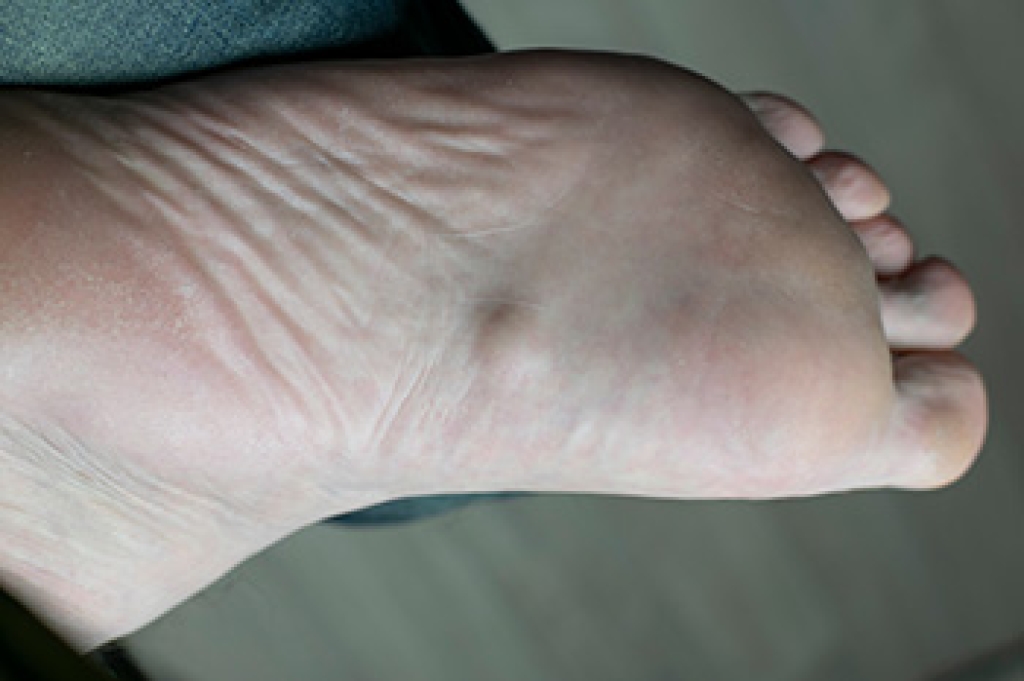
Bumps on the bottom of the foot, such as plantar fibromas, are often benign growths that develop in the tissue beneath the skin, known as the plantar fascia. However, other conditions like calluses or bone spurs can also cause similar lumps. Plantar fibromas are firm, rubbery lumps that can vary in size and may cause discomfort or pain, especially while walking or standing. The exact cause of plantar fibromas is unclear, but factors like genetics, trauma, or repetitive stress on the feet can contribute. Symptoms include localized pain, swelling, and sometimes a noticeable lump under the arch of the foot. In some cases, the fibroma or lump can interfere with movement and cause difficulty with footwear. Treatment options include stretching exercises, orthotic insoles, corticosteroid injections, and surgical removal, in more severe cases. A podiatrist can provide a thorough diagnosis and tailored treatment plan to relieve discomfort and prevent further complications. If you have this condition, it is suggested that you schedule an appointment with a podiatrist for appropriate treatment.
Foot Pain
Foot pain can be extremely painful and debilitating. If you have a foot pain, consult with Daniel Bell, DPM from Florida. Our doctor will assess your condition and provide you with quality foot and ankle treatment.
Causes
Foot pain is a very broad condition that could be caused by one or more ailments. The most common include:
Diagnosis
To figure out the cause of foot pain, podiatrists utilize several different methods. This can range from simple visual inspections and sensation tests to X-rays and MRI scans. Prior medical history, family medical history, and any recent physical traumatic events will all be taken into consideration for a proper diagnosis.
Treatment
Treatment depends upon the cause of the foot pain. Whether it is resting, staying off the foot, or having surgery; podiatrists have a number of treatment options available for foot pain.
If you have any questions, please feel free to contact our office located in Pembroke Pines and Plantation, FL . We offer the newest diagnostic and treatment technologies for all your foot care needs.
Connect With Us
