When a Simple Misstep Leads to an Ankle Sprain

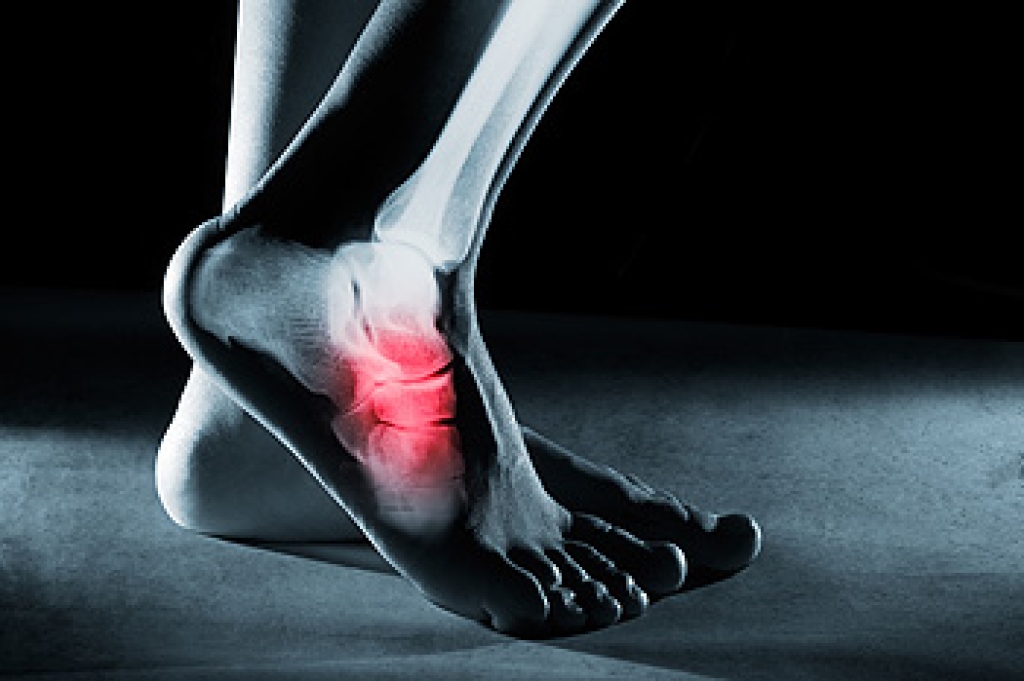
An ankle sprain occurs when the ligaments that support the ankle are stretched or torn, often after a sudden twist, roll, or awkward landing. This injury is common in athletes but can happen to anyone walking on uneven ground or wearing unstable footwear. The ankle may swell quickly and appear bruised or puffy around the joint. Pain can range from mild soreness to sharp discomfort that makes it difficult to bear weight. Symptoms include instability, weakness, or a sense that the ankle could give way. Without proper care, repeated sprains can lead to chronic weakness and long-term joint problems. A podiatrist begins with a detailed examination and may use imaging to assess the extent of ligament damage. Treatment includes bracing, compression, anti-inflammatory care, and targeted exercises to restore strength and balance. If you have an ankle sprain, it is suggested that you make an appointment with a podiatrist.

Although ankle sprains are common, they aren’t always minor injuries. If you need your ankle injury looked at, contact Daniel Bell, DPM from Florida. Our doctor can provide the care you need to keep you pain-free and on your feet.

How Does an Ankle Sprain Occur?

Ankle sprains are the result of a tear in the ligaments within the ankle. These injuries may happen when you make a rapid shifting movement while your foot is planted. A less common way to sprain your ankle is when your ankle rolls inward while your foot turns outward.

What Are the Symptoms?

  • Pain at the sight of the tear
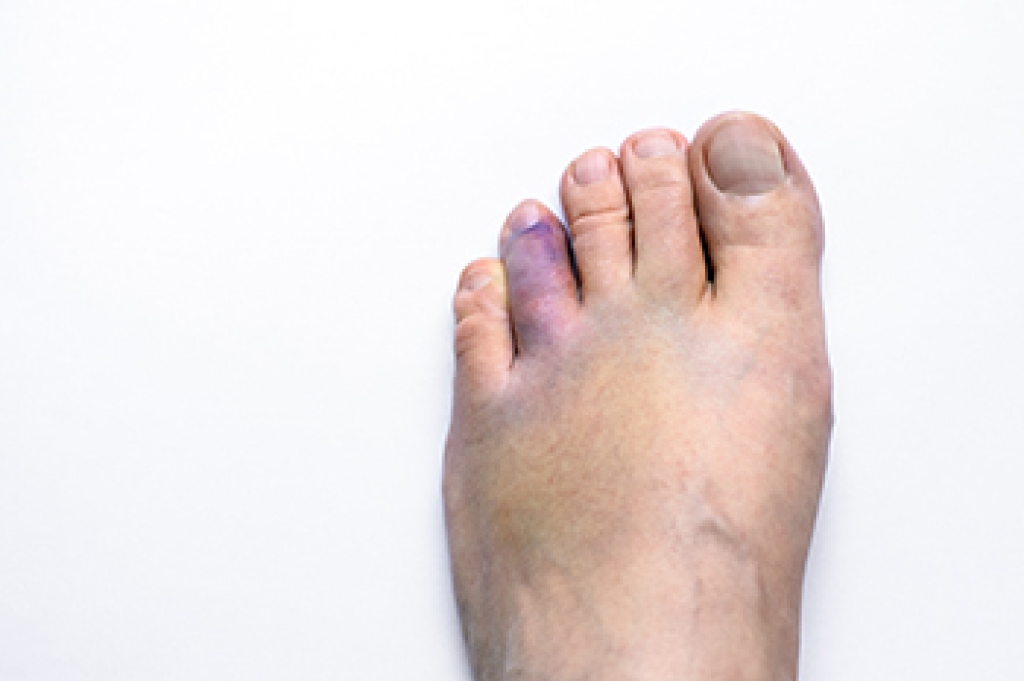
  • Bruising/Swelling
  • Ankle area is tender to touch
  • In severe cases, may hear/feel something tear
  • Skin discoloration

Preventing a Sprain

  • Wearing appropriate shoes for the occasion
  • Stretching before exercises and sports
  • Knowing your limits

Treatment of a Sprain

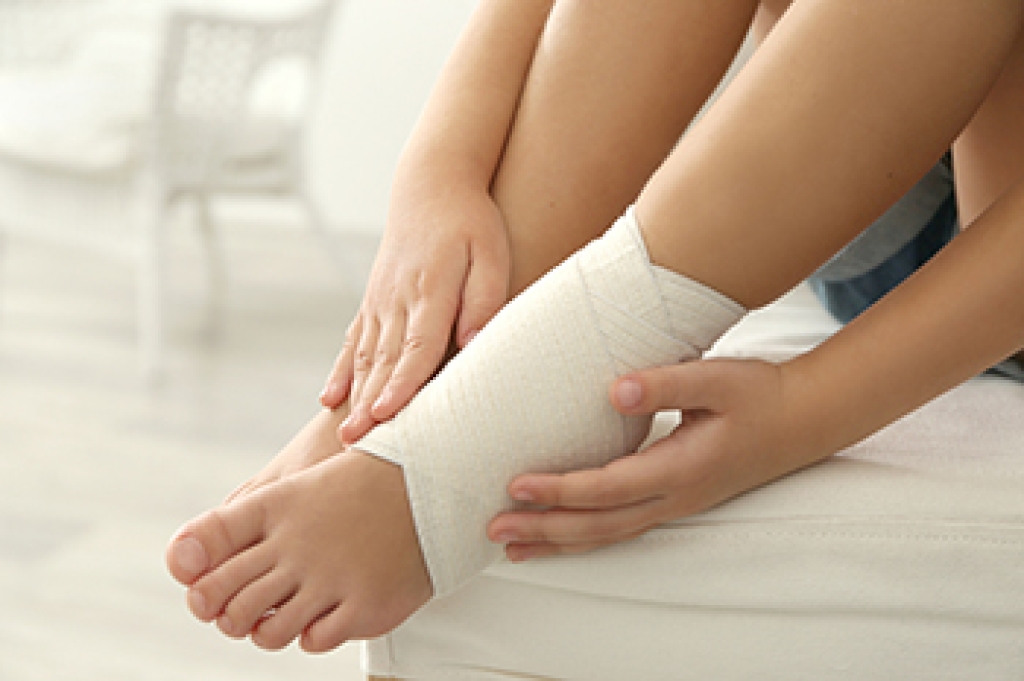
In many cases, the RICE method (Rest, Ice, Compression, and Elevate) is used to treat ankle sprains. However, you should see a podiatrist to see which treatment option would work best with your injury. In severe cases, surgery may be required.

It is important to ask your doctor about rehab options after you receive treatment for your injury. Stretching, strength training, and balance exercises may help the ankle heal while also preventing further injury.

If you have any questions, please feel free to contact our office located in Pembroke Pines and Plantation, FL . We offer the newest diagnostic and treatment technologies for all your foot care needs.

Read more about Three Grades of Ankle Sprains

Do Your Child's Feet Hurt?

Have your child's feet been examined lately? Healthy feet are happy feet. If your child is complaining of foot pain, it may be a sign of underlying problems.

Types of Fungal Toenail Infections

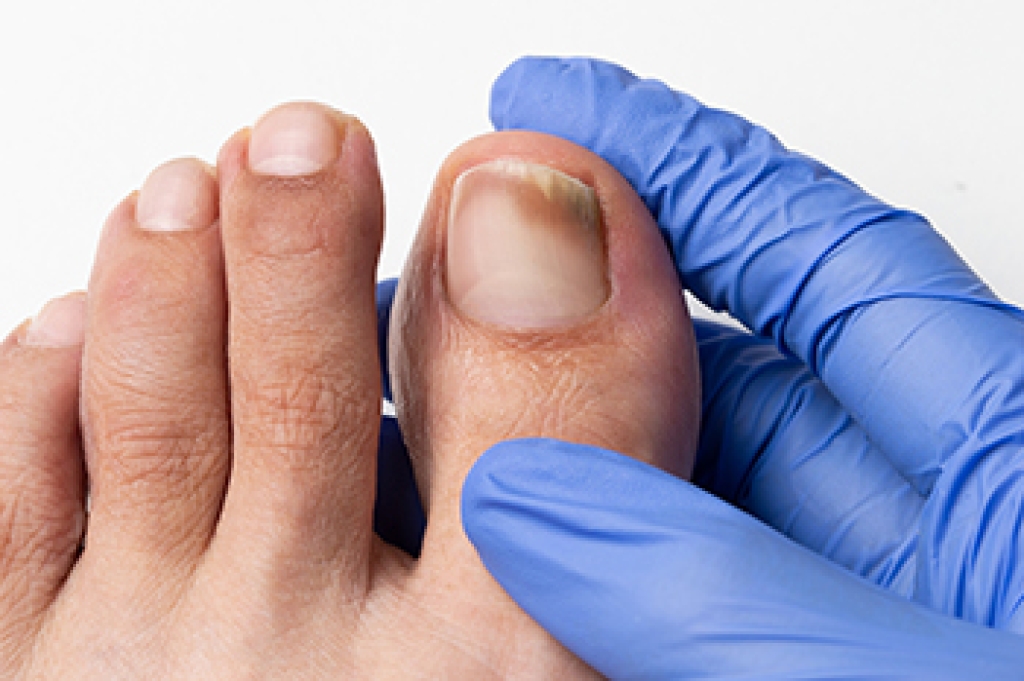
Fungal toenail infections develop when microscopic fungi enter small cracks in the nail or surrounding skin and slowly multiply in the warm, moist environment inside shoes. Several distinct types affect toenails. A distal subungual infection is the most common. It begins at the tip or sides, causing yellow or white streaks and thickening beneath the nail. White superficial infection involves the surface layers, producing chalky patches that make the nail rough and crumbly. Proximal subungual infection starts near the cuticle and spreads outward. It is sometimes linked with weakened immunity or prior injury. Yeast-related infections may inflame the surrounding tissue and loosen the nail from its bed. A podiatrist confirms the diagnosis using nail samples and determines the specific organism before prescribing medical antifungal therapy, nail procedures, or advanced management for damaged nails. If you have a fungal toenail infection, it is suggested that you make an appointment with a podiatrist for an exam, diagnosis, and treatment.

If left untreated, toenail fungus may spread to other toenails, skin, or even fingernails. If you suspect you have toenail fungus it is important to seek treatment right away. For more information about treatment, contact Daniel Bell, DPM of Florida. Our doctor can provide the care you need to keep you pain-free and on your feet.

Symptoms

  • Warped or oddly shaped nails
  • Yellowish nails
  • Loose/separated nail
  • Buildup of bits and pieces of nail fragments under the nail
  • Brittle, broken, thickened nail

Treatment

If self-care strategies and over-the-counter medications does not help your fungus, your podiatrist may give you a prescription drug instead. Even if you find relief from your toenail fungus symptoms, you may experience a repeat infection in the future.

Prevention

In order to prevent getting toenail fungus in the future, you should always make sure to wash your feet with soap and water. After washing, it is important to dry your feet thoroughly especially in between the toes. When trimming your toenails, be sure to trim straight across instead of in a rounded shape. It is crucial not to cover up discolored nails with nail polish because that will prevent your nail from being able to “breathe”.

In some cases, surgical procedure may be needed to remove the toenail fungus. Consult with your podiatrist about the best treatment options for your case of toenail fungus.  

If you have any questions please contact our office located in Pembroke Pines and Plantation, FL . We offer the newest diagnostic and treatment technologies for all your foot and ankle needs.
Read more about Toenail Fungus

Gentle Exercises That Ease Foot Arthritis Pain

Exercise can be a powerful tool for managing foot arthritis, when done correctly. Movement helps nourish joints, reduce stiffness, and support daily mobility. One helpful option is toe curls. While seated, place a towel on the floor and gently scrunch it toward you using your toes. Another exercise is ankle circles. Lift one foot and slowly rotate the ankle in both directions to improve flexibility. Calf stretching can also ease pressure on arthritic foot joints. Stand facing a wall, keep one heel down, and lean forward until a stretch is felt. Exercises should be slow and controlled, stopping before pain increases. Consistency matters more than intensity and supports long-term joint health overall. When foot arthritis limits comfort, balance, or walking ability, it is suggested that you see a podiatrist for relief options.

Arthritis can be a difficult condition to live with. If you are seeking treatment, contact Daniel Bell, DPM from Florida. Our doctor can provide the care you need to keep you pain-free and on your feet.

Arthritic Foot Care  

Arthritis is a joint disorder that involves the inflammation of different joints in your body, such as those in your feet. Arthritis is often caused by a degenerative joint disease and causes mild to severe pain in all affected areas. In addition to this, swelling and stiffness in the affected joints can also be a common symptom of arthritis.

In many cases, wearing ill-fitting shoes can worsen the effects and pain of arthritis. Wearing shoes that have a lower heel and extra room can help your feet feel more comfortable. In cases of rheumatoid arthritis, the arch in your foot may become problematic. Buying shoes with proper arch support that contour to your feet can help immensely.

Alleviating Arthritic Pain

  • Exercises that stretch the foot can prevent further pain and injury and increase mobility
  • Most of the pain can be alleviated with anti-inflammatory drugs, heat, and topical medications
  • Massages can help temporarily alleviate pain.

It is best to see your doctor for the treatment that is right for your needs and symptoms. Conditions vary, and a podiatrist can help you determine the right method of care for your feet.

If you have any questions please feel free to contact our office located in Pembroke Pines and Plantation, FL . We offer the newest diagnostic tools and technology to treat your foot and ankle needs.

Read more about Arthritic Foot Care

Important Facts About Falls and Foot Health

Falls are a common health concern and often result from a combination of physical conditions and environmental factors. Vision problems can make it difficult to judge surfaces and obstacles, while foot pain may alter gait and balance, increasing instability. Wearing poor footwear that lacks support or traction can also contribute to slips and missteps. Home hazards such as loose rugs, clutter, and uneven flooring further raise the risk. Additional risk factors include muscle weakness, chronic illness, and reduced mobility. A podiatrist can assess foot structure, address pain, recommend proper footwear, and provide custom orthotics to improve stability. Falling can seriously impact the feet. If you or a loved one has fallen, it is suggested that you consult a podiatrist who can treat various foot conditions, and provide additional fall prevention tips.

Preventing falls among the elderly is very important. If you are older and have fallen or fear that you are prone to falling, consult with Daniel Bell, DPM from Florida. Our doctor will assess your condition and provide you with quality advice and care.

Every 11 seconds, an elderly American is being treated in an emergency room for a fall related injury. Falls are the leading cause of head and hip injuries for those 65 and older. Due to decreases in strength, balance, senses, and lack of awareness, elderly persons are very susceptible to falling. Thankfully, there are a number of things older persons can do to prevent falls.

How to Prevent Falls

Some effective methods that older persons can do to prevent falls include:

  • Enrolling in strength and balance exercise program to increase balance and strength
  • Periodically having your sight and hearing checked
  • Discuss any medications you have with a doctor to see if it increases the risk of falling
  • Clearing the house of falling hazards and installing devices like grab bars and railings
  • Utilizing a walker or cane
  • Wearing shoes that provide good support and cushioning
  • Talking to family members about falling and increasing awareness

Falling can be a traumatic and embarrassing experience for elderly persons; this can make them less willing to leave the house, and less willing to talk to someone about their fears of falling. Doing such things, however, will increase the likelihood of tripping or losing one’s balance. Knowing the causes of falling and how to prevent them is the best way to mitigate the risk of serious injury.  

If you have any questions, please feel free to contact our office located in Pembroke Pines and Plantation, FL . We offer the newest diagnostic and treatment technologies for all your foot care needs.

Read more about Falls Prevention

Connect With Us