
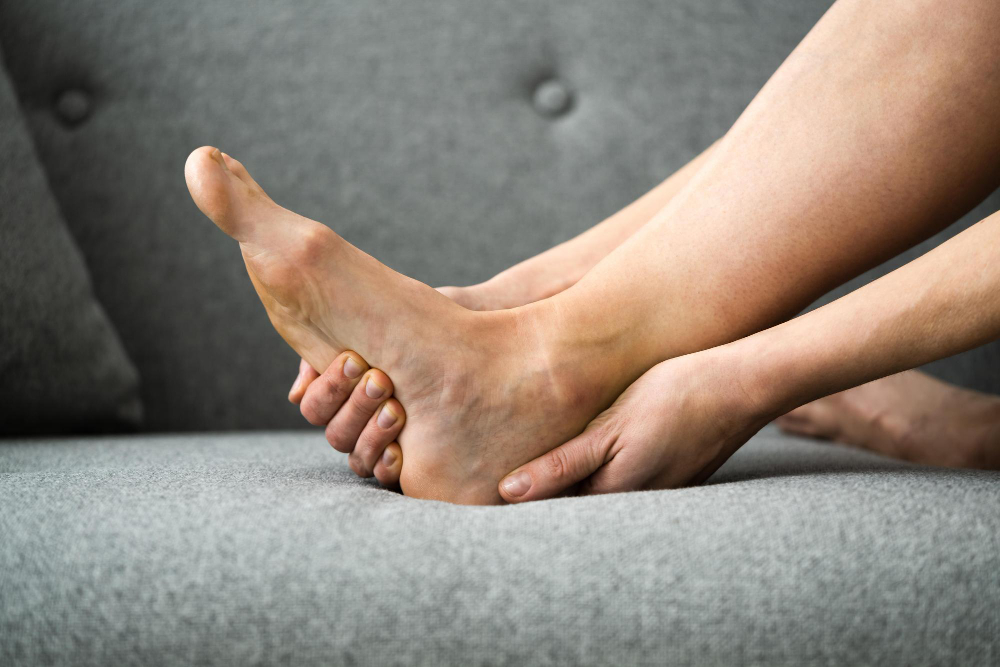
Heel Spur & Plantar Fasciitis Treatment in Pembroke Pines & Plantation
Plantar fasciitis is the most common cause of heel pain, and heel spurs are found in many people who have it. That sharp, stabbing pain with your first steps in the morning can make daily life miserable. The good news is that surgery is rarely needed today. At Daniel Bell, DPM - Foot & Ankle Institute, Daniel Bell, DPM uses proven conservative care and advanced acoustic wave therapies to relieve heel pain and help you walk comfortably again.
What Is Plantar Fasciitis?
The plantar fascia is a thick band of tissue that runs along the bottom of your foot from the heel to the toes and supports your arch. When it is overloaded, small tears and inflammation develop where it attaches to the heel bone, causing pain.
What Is a Heel Spur?
A heel spur is a bony growth that forms on the front of the heel bone and points toward the arch. Spurs develop over time as the plantar fascia pulls on the heel. Heel spurs are present in at least half of people with plantar fasciitis, but the spur itself is usually not the source of pain; the inflamed fascia is. That is why treatment focuses on the soft tissue.
Causes and Risk Factors
- Standing or walking for long hours on hard surfaces
- Running and high-impact exercise
- Tight calf muscles and Achilles tendon tightness
- Flat feet or high arches
- Worn-out or unsupportive shoes
- Weight gain and age-related changes
Common Symptoms
- Sharp heel pain with the first steps in the morning
- Pain after long periods of sitting or standing
- Pain that eases with movement but returns after activity
- Tenderness on the bottom of the heel
Modern Heel Pain Treatment
In the past, heel spurs were often treated by surgically removing the growth. Today, surgery is rarely needed, and most patients improve with conservative care:
- Stretching the calf and plantar fascia
- Ice and anti-inflammatory medication
- Supportive footwear and night splints
- Custom orthotics to support the arch and reduce strain
- Physical therapy
- Corticosteroid injections for persistent inflammation
- Shockwave therapy to stimulate healing in chronic cases
- RPW therapy for short, non-invasive treatment sessions
For the rare cases that do not respond after months of treatment, surgical options may be discussed. Runners and athletes benefit from our sports medicine approach. Visit our foot pain page or view all conditions we treat.
Heel Spurs & Plantar Fasciitis FAQs
Why does my heel hurt in the morning?
The plantar fascia tightens overnight, so the first steps in the morning stretch the inflamed tissue and cause sharp heel pain.
Do heel spurs need to be removed?
Rarely. Most heel spur pain comes from plantar fasciitis and improves with conservative treatment, not removal of the spur.
How long does plantar fasciitis last?
With proper treatment, many patients improve within a few months. Chronic cases may take longer but often respond to shockwave or RPW therapy.
Does shockwave therapy work for plantar fasciitis?
Shockwave therapy is a well-established non-invasive treatment for chronic plantar fasciitis that stimulates healing and reduces pain.
Can orthotics cure plantar fasciitis?
Custom orthotics reduce strain on the plantar fascia and are a key part of treatment, especially when combined with stretching and supportive shoes.
Should I stop exercising with heel pain?
Switching to low-impact activities like swimming or cycling can help while the fascia heals. Running through pain often makes it worse.
When should I see a podiatrist for heel pain?
See a podiatrist if heel pain lasts more than a couple of weeks, affects your daily activities, or does not improve with home care.
Take the First Pain-Free Step
Stop dreading your morning steps. Call (954) 942-5005 - Pembroke Pines Office or (954) 942-5005 - Plantation Office or request an appointment online for heel pain treatment with Dr. Bell.